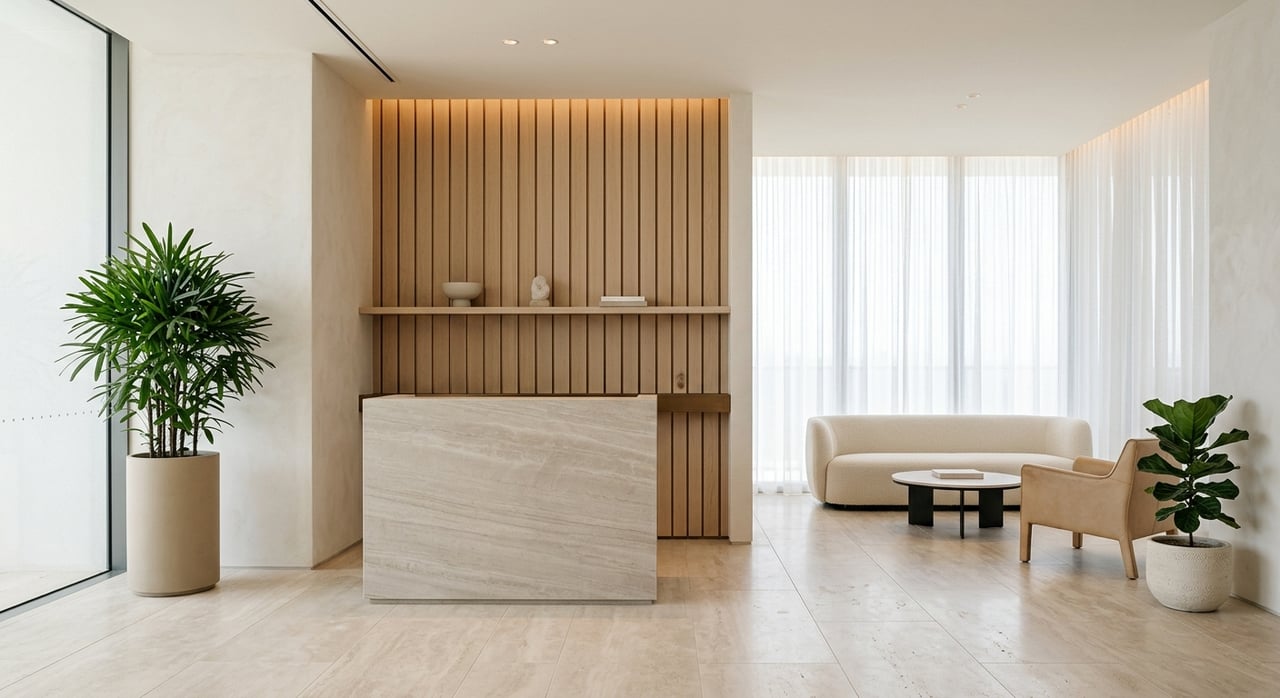
Wondering whether a branded residence in Sunny Isles Beach is just a luxury condo with a famous name or something meaningfully different? If you are weighing a second home, a full-time residence, or a long-term investment in one of South Florida’s most high-profile oceanfront markets, that question matters. The right purchase can align beautifully with your lifestyle and goals, but only if you understand how branding, services, design, and rental rules actually work. Let’s dive in.
What branded residences mean
In Sunny Isles Beach, branded residences are luxury homes tied to a recognized hospitality, design, or lifestyle brand. That branding usually goes beyond a name on the building and extends into service standards, amenities, interiors, and the overall ownership experience.
Research from Knight Frank helps explain why this segment gets so much attention. The firm reports that branded residences grew from 169 schemes in 2011 to 611 today, with a forecast of 1,019 by 2030. Knight Frank also found that 39% of prime international buyers would pay a premium for a branded residence.
For you as a buyer, that means a branded residence is often positioned as a complete lifestyle product. You are not only buying square footage and views. You are also buying into a service model, a design identity, and a building culture that can feel very different from a conventional condo.
Why Sunny Isles stands out
Sunny Isles Beach is especially well suited to branded residences because the local lineup is unusually diverse. In one market, you can find hotel-branded, designer-branded, and automotive-branded towers, each offering a distinct ownership experience.
That variety gives you more choice, but it also makes careful comparison essential. One building may emphasize privacy and residential calm, while another leans into dramatic design or highly specialized amenities. In other words, branded residences in Sunny Isles are not interchangeable.
Knight Frank notes that hotel brands still account for most existing branded residences globally, but the pipeline is shifting toward standalone developments rather than buildings attached to hotels. That trend shows up clearly in Sunny Isles Beach.
Private residential vs hotel-linked living
One of the most important questions you can ask is whether a branded building is hotel-anchored, branded but standalone, or fully private residential. That distinction shapes everything from daily atmosphere to guest policies and rental flexibility.
The St. Regis Residences, Sunny Isles Beach is a strong example. The project is described as a completely private residential building with no hotel on premises and no transient use, while still being managed by The St. Regis Hotel Company. For many buyers, that offers the appeal of a luxury service brand without the flow and feel of hotel activity.
If you want a quieter, more residential ownership experience, that difference may matter just as much as the floor plan. If you are thinking about occasional guest use or income potential, it matters even more.
What services you may receive
At the upper end of the market, branded residences in Sunny Isles often offer much more than a staffed lobby and fitness room. The promise is usually a fuller service environment designed to feel polished, convenient, and highly curated.
At St. Regis Residences, the offering includes St. Regis Butler Service, private beach amenities, 24/7 valet, and more than 70,000 square feet of amenities. Armani/Casa advertises 24-hour valet and security, multilingual concierge service, poolside food and beverage service, and more than 35,000 square feet of amenities.
The Ritz-Carlton Residences highlights private beach amenities, a beach restaurant with pool and beach service, an oceanfront wellness center, and a 33rd-floor private club with guest suites. These details matter because they affect how the building feels day to day, not just how it looks in marketing materials.
How branding shapes design
In Sunny Isles, the brand often influences the architecture and interiors in a very visible way. That is one reason buyers are drawn to these towers in the first place.
Armani/Casa credits Pelli Clarke Pelli as architect, Enzo Enea as landscape collaborator, and Giorgio Armani as interior designer. In that case, the brand is embedded in the visual language of the property, from the common spaces to the private residences.
Automotive-branded buildings take that concept in a different direction. Porsche Design Tower is known for the Dezervator automobile elevator, while Bentley Residences says its homes are hand-crafted by Bentley’s design team and includes features such as 8 floors of curated amenities, an infinity pool, spa and wellness center, fitness space, residents’ lounge, cigar lounge, and 24/7 white-glove valet through the Dezervator system.
How branded towers differ from condos
A traditional luxury condo may offer strong amenities and excellent finishes. A branded residence, however, is typically sold with a more defined operating identity.
That means you are often paying for a consistent service culture, a brand-led design standard, and a more intentionally programmed amenity experience. In some cases, the building is also positioned with a more private, residential tone than a hotel-adjacent property.
This does not automatically make one option better than another. It simply means you should evaluate the building as a whole lifestyle package, not just as a residence with a logo attached.
Why due diligence matters
For second-home buyers and investors, the biggest mistake is assuming all branded residences offer the same use rights or rental flexibility. In Sunny Isles Beach, they do not.
A prestigious name may support resale positioning and lifestyle value, but the brand itself does not tell you whether short-term rentals are allowed, how guest use is handled, or how the association manages operations. Those answers come from the actual building documents and local rules.
This is where experienced guidance matters. When you are comparing a private residential tower, a building with guest-suite features, or a design-led development, the fine print can affect your ownership experience just as much as the ocean view.
Sunny Isles short-term rental rules
If rental income is part of your plan, start with the city’s definition. Sunny Isles Beach says a short-term vacation rental is a condo or apartment unit leased or rented for six months or less.
The city also requires both a Short-Term Vacation Rental License and a Local Business Tax Receipt. Just as important, the city says secondary subletting is not allowed.
The licensing process is layered. Sunny Isles requires proof of a DBPR Transient Public Lodging Establishment License, active Florida Department of Revenue registration, active Miami-Dade County Tax Collector registration for tourist taxes, liability insurance, a rental agreement, a list of platforms, a sketch of exits and parking, smoke and carbon detectors, a fire extinguisher, and either a condominium association consent letter or a copy of the bylaws.
A separate license is required for each rental unit. The city also will not issue a license if the property has open code violations.
Occupancy and building rules
Even if a unit qualifies under city rules, occupancy limits still apply. Sunny Isles sets maximum occupancy at two persons per bedroom plus two additional persons per property, up to 12 total, excluding children under three years old.
There is another important layer here. If the condominium’s own rules are more restrictive, the stricter rule governs.
The city also requires a responsible party to be reachable 24/7 and able to respond in person within one hour. For buyers considering occasional rentals, that operational requirement should be part of your planning from day one.
Smart questions before closing
Before you buy into a Sunny Isles branded residence, it helps to approach the decision with a clear checklist. A beautiful building can still be the wrong fit if the structure of ownership does not match how you plan to use it.
Ask these questions before you move forward:
- Is the building hotel-anchored, branded but standalone, or fully private residential?
- What services are included with ownership?
- Which services are optional, pay-as-you-go, or controlled by the association?
- Are short-term rentals allowed by both the city and the condominium association?
- If rentals are allowed, what are the minimum-stay rules, occupancy limits, and operating requirements?
- Does the brand add lifestyle value, resale positioning, or both for your specific goals?
You should also review the declaration, bylaws, rental policy, tax structure, and any brand-managed service terms with legal and financial professionals before closing. In this segment, details matter.
Buying with a local strategy
Sunny Isles branded residences can be exceptional choices for buyers who want service, design, and strong identity in one package. The key is making sure the specific tower fits how you want to live, host, and hold the property over time.
That is why a building-by-building strategy matters more than broad assumptions. In a market this specialized, the smartest buyers compare service culture, privacy, operating rules, and long-term usability with the same care they give to price and floor plan.
If you are exploring branded residences in Sunny Isles Beach and want tailored guidance on which buildings align with your lifestyle or investment goals, Nancy Batchelor can help you navigate the options with local insight, discretion, and a clear strategy.
FAQs
What is a branded residence in Sunny Isles Beach?
- A branded residence in Sunny Isles Beach is a luxury residential project tied to a recognized hospitality, design, or lifestyle brand, often with brand-led services, amenities, and design standards.
Are Sunny Isles branded residences the same as hotels?
- No. Some branded residences may be connected to hotel-style service, while others are standalone or fully private residential buildings with no hotel on site.
Can you rent out a branded residence in Sunny Isles Beach short term?
- You may be able to, but only if both the city and the condominium association allow it and all licensing, tax, safety, and operating requirements are met.
What does Sunny Isles Beach consider a short-term rental?
- The city defines a short-term vacation rental for condo and apartment units as a lease or rental for six months or less.
What should you verify before buying a Sunny Isles branded residence?
- You should verify the building’s ownership structure, service terms, association rules, rental policy, occupancy limits, and the local licensing requirements that apply to your intended use.