By The Nancy Batchelor Team
Miami Beach's high-rise condo market is one of the most distinctive in the country — oceanfront towers with resort-level amenities, Biscayne Bay views, and buildings whose names carry genuine prestige. But buying a high-rise condo here involves a set of financial and structural considerations that go well beyond the unit itself. Understanding the full picture before you make an offer is the difference between a property that performs for you and one that surprises you with costs you did not anticipate.
Key Takeaways
- Miami-Dade high-rise HOA fees averaged over $1,900 per month in 2025 — the highest in the country outside of Manhattan
- Florida's building safety laws now require fully funded structural reserves in condo buildings three or more stories tall
- Building financial health matters as much as the unit itself — reserve funding levels, special assessments, and the milestone inspection report are essential reading
- The right building for you depends on location, building age, amenity profile, and how all-in carrying costs fit your ownership goals
What High-Rise Condo Living in Miami Beach Looks Like
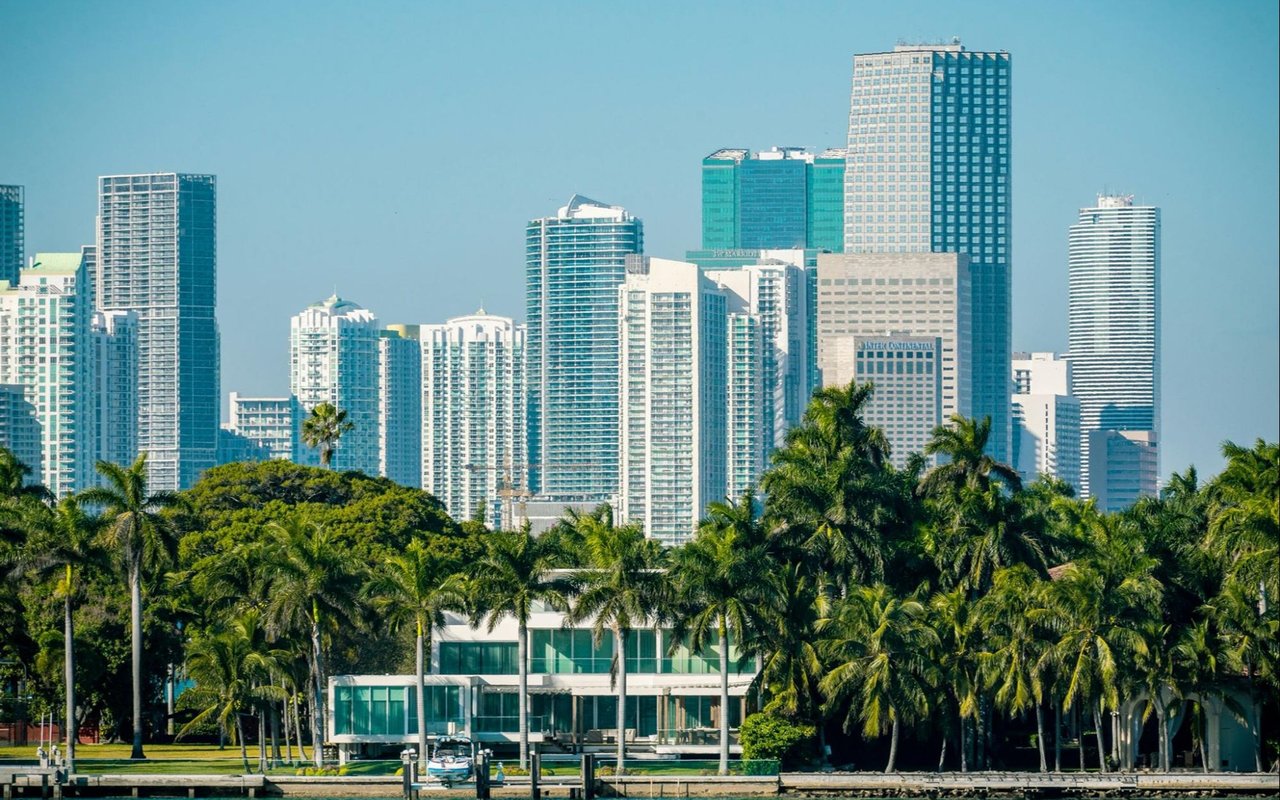
Miami Beach's high-rise market spans a wide range — from the iconic Art Deco-influenced towers along Collins Avenue to ultra-luxury new construction like the Perigon and the Ritz-Carlton Residences, and from the branded boutique buildings of South of Fifth to the older residential towers in Mid-Beach and North Beach. Each building has its own character, amenity level, management culture, and cost structure.
For buyers who want a lock-and-leave property with resort-grade service and genuine ocean proximity, Miami Beach's high-rise inventory is hard to match.
For buyers who want a lock-and-leave property with resort-grade service and genuine ocean proximity, Miami Beach's high-rise inventory is hard to match.
Buildings That Define the Market
- South of Fifth: Continuum, Apogee, Glass, and Ocean House anchor one of the most exclusive condo concentrations in South Florida, with direct beach access and proximity to South Pointe Park
- Mid-Beach and Collins Avenue: Branded addresses like the Faena House, Edition Residences, and the Surf Club bring global hospitality names to residential ownership
- North Beach: A quieter residential profile, with a mix of older buildings undergoing renovation and newer boutique developments offering more competitive price points
The Full Cost of Ownership: Beyond the Purchase Price
Carrying costs in Miami Beach's high-rise market deserve close attention. According to a 2025 analysis by FirstService Residential, the average monthly HOA fee for a Miami-Dade high-rise condo exceeded $1,900 — second only to New York City nationally. That figure includes insurance contributions, staffing, amenity operations, and reserve contributions.
In addition to HOA fees, condo owners are responsible for an individual HO-6 insurance policy covering the unit's interior and personal property, separate from the building's master policy. Depending on the building's location and construction year, windstorm and flood coverage may also be required.
In addition to HOA fees, condo owners are responsible for an individual HO-6 insurance policy covering the unit's interior and personal property, separate from the building's master policy. Depending on the building's location and construction year, windstorm and flood coverage may also be required.
What Goes Into Your Monthly Cost
- HOA dues: Covers building operations, staffing, amenities, insurance premiums, and reserve contributions — varies significantly by building and amenity tier
- Individual condo insurance (HO-6): Required by most lenders — covers the interior of your unit, personal property, and liability
- Property taxes: In Florida, assessed value typically resets at the purchase price when a property transfers — factor this into your actual carrying cost
- Special assessments: Separate charges levied for major capital projects not covered by existing reserves — understanding a building's current reserve funding level is essential to anticipating this risk
What Florida's Building Safety Laws Mean for Buyers Right Now
Following the 2021 collapse of Champlain Towers South in Surfside, Florida enacted building safety reforms under Senate Bill 4-D that fundamentally changed what condo buyers need to verify before closing. As of December 31, 2024, condominium and cooperative buildings of three or more habitable stories can no longer vote to waive or reduce reserve funding for structural components. Associations are required to maintain fully funded reserves for the roof, load-bearing walls, foundation, plumbing, electrical systems, waterproofing, windows, and other items with deferred maintenance costs exceeding $10,000.
Buildings that spent years underfunding reserves before this law took effect are now catching up — which in practice means some buildings are levying special assessments on current owners to close that gap. Buying a unit in a building mid-assessment transfers that financial obligation to you.
Buildings that spent years underfunding reserves before this law took effect are now catching up — which in practice means some buildings are levying special assessments on current owners to close that gap. Buying a unit in a building mid-assessment transfers that financial obligation to you.
Documents to Request Before Making an Offer on Any Condo
- Current Structural Integrity Reserve Study — confirms what the building is required to fund and how close it is to full compliance
- Most recent milestone inspection report — Phase 1 visual inspection, and Phase 2 findings if applicable
- Reserve fund balance and current funding percentage
- History of special assessments over the past five years and any assessments currently pending or anticipated
- Most recent HOA budget and audited financials
- Master insurance policy coverage, including windstorm and flood terms
How Building Financials Affect Your Financing
Lenders evaluate both the buyer and the building. If a building has inadequate reserves, pending litigation, or structural concerns identified in a milestone inspection, mortgage financing can become more difficult — some lenders will decline to write loans on units in non-compliant buildings, and others may require higher down payments or charge higher rates. Buyers using cash are not subject to this concern, but understanding the building's financial position is still essential to protecting the value of your investment.
FAQs
Are high-rise condos in Miami Beach a good investment?
It depends on the building, the price point, and your ownership goals. Well-run buildings with strong reserves, brand-name recognition, and direct ocean or bay access have historically held value and generated rental demand. Buildings with deferred maintenance, underfunded reserves, or aging mechanical systems carry more risk. The quality of your due diligence is what separates a strong investment from a costly one.
How do I know if a Miami Beach condo building is financially healthy?
Request the most recent Structural Integrity Reserve Study, the current reserve fund balance, the last two years of HOA budgets, and any special assessment history. A building funded at or above the reserve study's recommended level is in a stronger position than one with a significant funding gap. Your agent and, if needed, a real estate attorney can help you interpret what you find.
What is the difference between the building's master insurance policy and my own condo insurance?
The building's master policy covers the structure itself — exterior walls, roof, common areas, and major building systems. Your individual HO-6 policy covers your unit's interior finishes, personal property, and personal liability. In Miami Beach's coastal environment, confirming both policies are current and adequate is an essential part of closing due diligence.
Get in Touch with The Nancy Batchelor Team
Buying a high-rise condo in Miami Beach is one of the most rewarding real estate decisions you can make — when you go in with the right information. Evaluating the building as carefully as the unit, and understanding the full cost of ownership before you close, are what protect your investment over the long term.
Reach out to us, The Nancy Batchelor Team, and work with a team that has spent more than two decades guiding buyers through Miami Beach's condo market — from South of Fifth to Mid-Beach and beyond. We will make sure you know exactly what you are buying.
Reach out to us, The Nancy Batchelor Team, and work with a team that has spent more than two decades guiding buyers through Miami Beach's condo market — from South of Fifth to Mid-Beach and beyond. We will make sure you know exactly what you are buying.