If you are drawn to a historic home in Coral Gables, you are probably not just buying square footage. You are buying character, craftsmanship, and a piece of one of South Florida’s most visually distinct communities. That can be exciting, but it also means you need to understand preservation rules, maintenance expectations, and how to evaluate the property before you move forward. Let’s dive in.
Why Coral Gables Historic Homes Stand Out
Coral Gables has a strong architectural identity, and the city has long treated preservation as part of its broader character. According to the city, more than 1,000 properties are listed on the Coral Gables Register of Historic Places.
That matters because a historic-home purchase here is often about more than the house itself. In many cases, the surrounding streetscape, landscape elements, and visible architectural details are also part of what gives the property its appeal and long-term value.
What “Historic” Can Mean in Coral Gables
Not every older home is formally protected. A house may be individually designated, located within a historic district, or simply be older without official designation.
That distinction is important because the review process and your future renovation path can depend on the property’s status. Coral Gables notes that properties generally must be at least 50 years old and have historical, cultural, aesthetic, or architectural significance to qualify for local listing.
Verify Status Early
One of the smartest steps you can take is to confirm the home’s designation status before you get too far into the process. If a property has visible historic features or sits in an area that appears historically significant, ask early whether it is individually designated or contributes to a district.
If the status is unclear, the city’s preservation materials say buyers can ask about a historic determination letter. This can help you avoid surprises later when planning repairs or exterior improvements.
Architectural Features to Look For
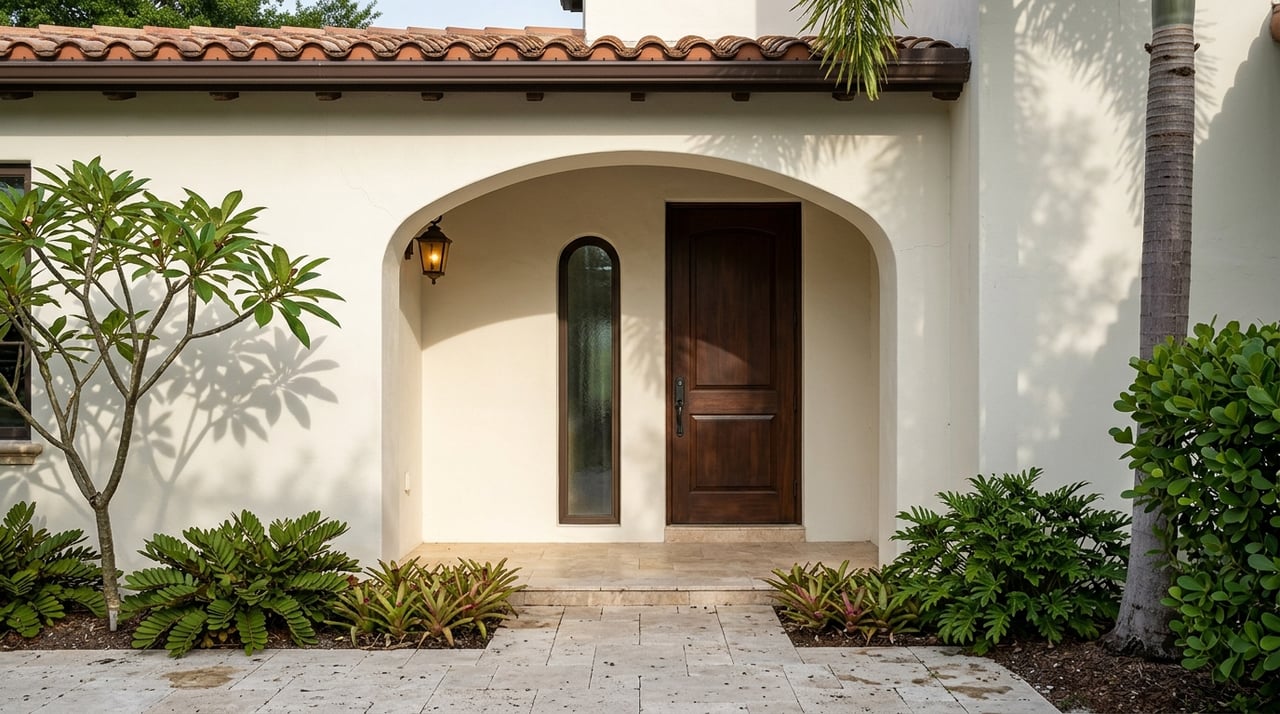
Coral Gables is known for a rich mix of historic styles. While Mediterranean Revival is one of the most recognizable, the city also preserves themed historic villages with Dutch South African, Chinese, French Normandy, Florida Pioneer or Colonial, French Country, French City, and Italian influences.
As you tour homes, you may notice recurring design features that help define the area’s historic character. These can include:
- Native oolitic limestone and coral rock
- Arcaded loggias
- Courtyards
- Barrel tile roofs
- Towers
- Decorative window and door surrounds
- Bas-relief ornament
- Exposed rafter tails
These features often add beauty and identity, but they also shape how repairs and updates should be handled over time.
What Renovations Usually Involve
If you are considering a locally designated historic property, expect a different path for exterior work than you would see with a non-historic home. In Coral Gables, building permit requests for locally designated properties are first routed through Historic Preservation.
In most cases, a Certificate of Appropriateness is required before most exterior work begins and before a building permit can be issued. Some maintenance-type work may be handled administratively, while larger exterior changes can require more formal review.
Exterior Changes Need More Planning
This does not mean change is impossible. Coral Gables states that alterations are allowed when they are compatible with the home’s existing architecture.
For buyers, the key is to go in with the right expectations. If you hope to update a façade, replace windows, alter roofing materials, or make visible exterior changes, plan for a preservation-aware review process rather than a quick standard permit path.
Interior Work Is Often Different
One common concern is whether every interior project will be reviewed. In most cases, Coral Gables says ordinary interior remodeling is not subject to the same review requirement, except in limited special cases.
That can be reassuring if your vision includes kitchen, bath, or layout improvements inside the home. Still, it is wise to confirm any project-specific requirements before closing.
Inspections Matter More With Older Homes
Historic homes can be deeply rewarding to own, but they ask for careful due diligence. Older materials, older systems, and decades of repairs or deferred upkeep can all affect what you are really buying.
A standard home inspection is important, but it may not be enough on its own. Preservation guidance also notes that older buildings can raise concerns such as lead-based paint, asbestos, and bird droppings, which may call for specialist follow-up depending on the home’s age and condition.
Pay Close Attention to These Areas
For Coral Gables buyers, several exterior systems deserve special focus during inspections:
- Roofs: Clay tile roofs are distinctive and can last a long time when properly maintained, but they are also fragile and should be inspected regularly.
- Windows: Historic windows often can be repaired instead of replaced, and weather resistance may sometimes be improved with storm windows, weatherstripping, or glazing repairs.
- Masonry: Deteriorated mortar should be repointed with compatible mortar. Poor repointing can damage the masonry itself.
- Drainage: Leaks, failing gutters and downspouts, settlement, and long-term moisture exposure can create or worsen exterior deterioration.
These are not minor details. They often shape both near-term costs and the quality of long-term preservation.
Maintenance Is Part of the Ownership Model
One of the biggest mindset shifts with a historic home is understanding that upkeep is ongoing. Preservation guidance stresses that routine preventive maintenance is the most cost-effective way to slow deterioration, and deferred maintenance usually makes problems worse.
In simple terms, there is no such thing as a maintenance-free historic property. Shortcuts that seem easier in the moment can lead to more expensive damage later.
Budget for Care, Not Just Repairs
If you are comparing a historic Coral Gables home with a newer property, it helps to think beyond the purchase price. Historic ownership often requires a steadier maintenance budget rather than a one-time cosmetic renovation budget.
That does not automatically mean costs will be unreasonable. It means you should be realistic about protecting original materials, monitoring wear, and addressing small issues before they become larger ones.
Why the Right Professionals Matter
Not every contractor, roofer, or inspector approaches historic materials the same way. Preservation guidance encourages owners to work with preservation architects, preservation consultants, and experienced contractors when building a maintenance plan or addressing more complex issues.
For you as a buyer, that means your team matters. A professional who understands clay tile, historic windows, masonry behavior, and moisture management can help you make better decisions before and after closing.
Character Versus Upkeep
For many buyers, the central tradeoff is straightforward. You get distinctive architecture, original details, and a home with a sense of place, but you also take on a greater responsibility to maintain it thoughtfully.
Coral Gables frames historic designation as a way to stabilize and enhance property values in historic areas. Preservation guidance also notes that well-maintained historic properties are generally more resistant to storm damage and less expensive to preserve than to replace.
That perspective can be helpful if you are deciding whether a historic home fits your lifestyle. The value is not only in how the property looks today, but in how well its identity can be protected over time.
A Smart Buyer Checklist
If you are serious about buying a historic home in Coral Gables, keep your due diligence focused on both beauty and practicality.
Here is a simple checklist to guide your process:
- Confirm whether the property is individually designated, district-contributing, or simply older
- Ask about any historic determination documentation if status is unclear
- Review how exterior changes may be handled through Historic Preservation
- Inspect the roof, windows, masonry, and drainage carefully
- Consider whether specialist inspections are appropriate for older materials or environmental concerns
- Budget for preventive maintenance, not just immediate upgrades
- Build a vendor team with experience in historic homes and preservation-sensitive work
A historic home can be a wonderful fit if you appreciate architecture and are prepared for the responsibilities that come with it. When you buy with clear expectations, you are in a much better position to protect both the property and your investment.
If you are exploring historic homes in Coral Gables and want thoughtful guidance on how a property’s character, condition, and long-term potential fit your goals, connect with Nancy Batchelor.
FAQs
What makes a home historic in Coral Gables?
- In Coral Gables, a property generally must be at least 50 years old and have historical, cultural, aesthetic, or architectural significance to qualify for local historic listing.
Do Coral Gables historic homes always require special approval for renovations?
- Locally designated historic homes typically require Historic Preservation review for most exterior work, and a Certificate of Appropriateness is generally needed before a building permit can be issued.
Are interior renovations reviewed in Coral Gables historic homes?
- In most cases, ordinary interior remodeling is not subject to historic review, except in limited special situations.
What should buyers inspect first in a Coral Gables historic home?
- Buyers should pay close attention to the roof, windows, masonry, drainage, and signs of deferred maintenance, since these systems often have the biggest effect on future costs and preservation needs.
Are historic homes in Coral Gables harder to maintain?
- Historic homes usually require more intentional ongoing maintenance, but routine preventive care is generally the most cost-effective way to protect the home and avoid larger problems later.
Can you still update a historic home in Coral Gables?
- Yes, changes are allowed when they are compatible with the home’s existing architecture, so updates are often possible with the right planning and review process.